Section Reflections - First Half
What Makes A Good Horror Film - Sound
One key thing that makes a good horror film is sound. Music and atmosphere in the soundtrack are used to build tension and put the audience on edge. Sound effects can also make scenes feel more realistic and intense. In many horror films, sound is what creates fear and makes the audience feel something bad is about to happen.
What Makes A Good Horror Film - Editing
Editing is another major part of what makes horror effective. It is what makes a movie enjoyable and helps scenes feel intense and unexpected. In horror, fast cuts and careful pacing can make the audience feel anxious because they do not know what will happen next. This creates suspense and keeps viewers engaged.
What Makes A Good Horror Film - Camera Shots
Camera shots are used to guide perspective and improve the scene's mood. Certain shots can make a moment feel more dramatic, tense, or creepy. In my own work, using different shot types helped improve the visual impact and make scenes feel more like real horror sequences.
Mood Board
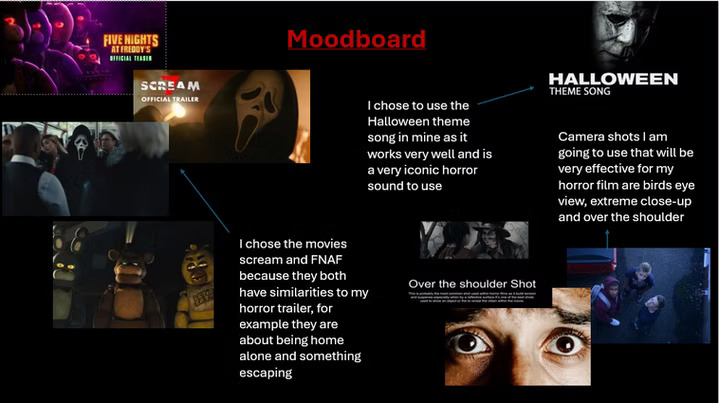
A mood board is a visual planning tool that collects ideas for the style and feeling of a project. It helps bring together references for lighting, camera work, editing, colours, and tone so the final work stays consistent.
For my college reflections, the mood board helps show the horror direction and the visual choices I wanted across my projects.
Pre-Production Assets
Shot List
Production Schedule
.jpg)
Risk Assessment
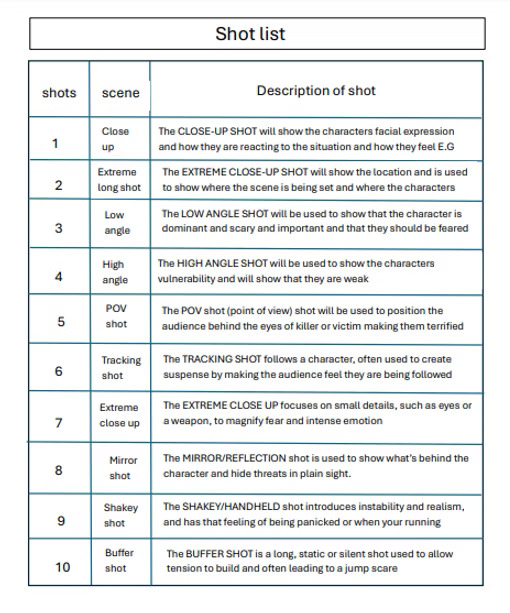
Shot List: A shot list is a planned breakdown of each camera shot needed for filming. It helps structure production, keep the team organized, and ensure important angles are not missed.
Production Schedule: A production schedule is a timeline for what needs to be completed and when. It helps manage time, assign tasks, and keep the project on track from planning through filming.
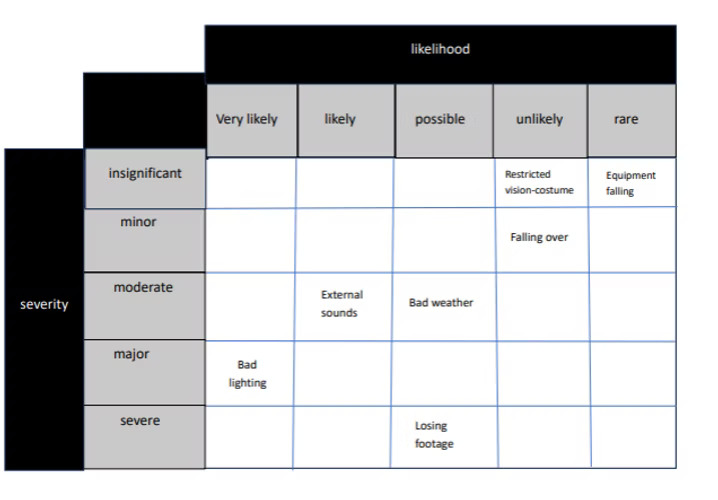
Risk Assessment: A risk assessment identifies possible hazards in production and explains how to reduce or control those risks. It helps keep cast and crew safe during filming.
Treatment
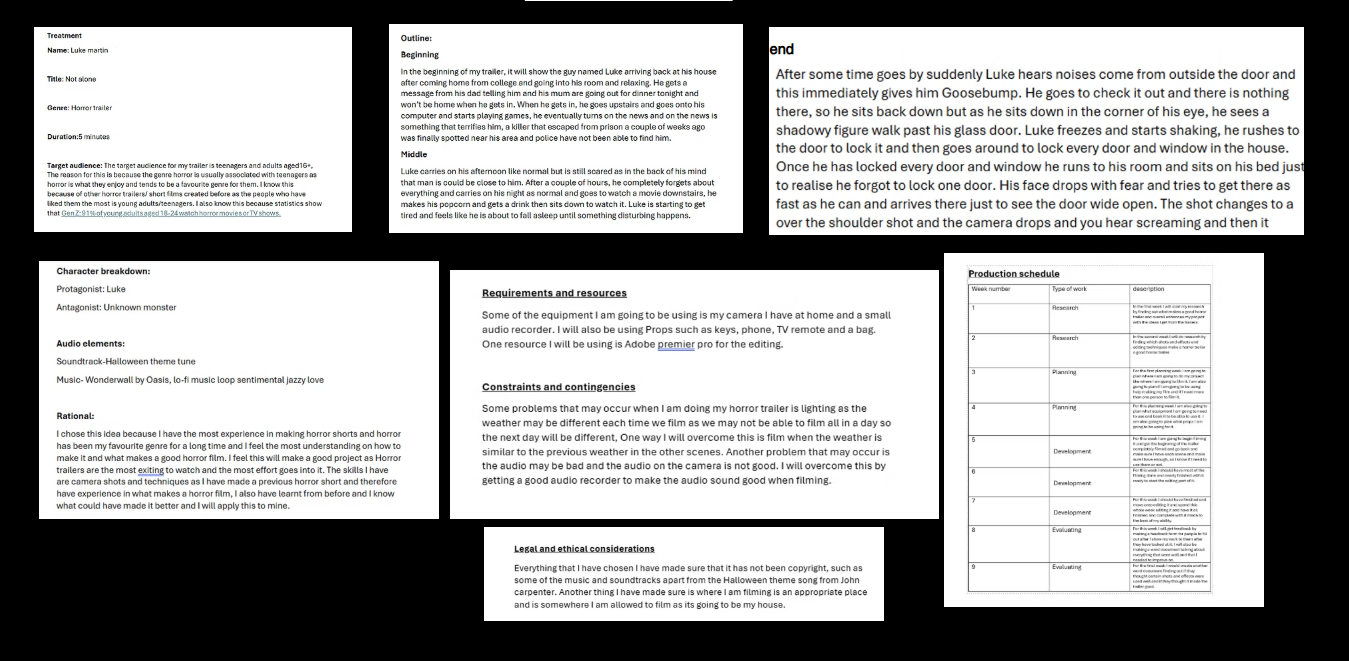
The treatment is built from all of the pre-production work shown above. The mood board, shot list, production schedule, and risk assessment all help shape the final treatment by defining the style, structure, planning, and safety approach for the project.
Location Recce
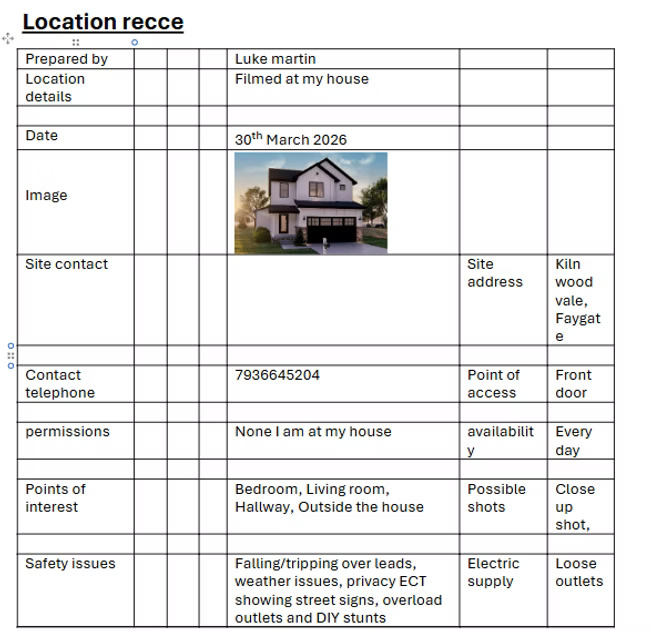
A location recce is when you visit and inspect a filming location before production starts. It is important because it helps you check key details in advance, including lighting, sound, space, access, and possible hazards.
Doing a recce makes planning more accurate and helps the team prepare properly, so filming days are safer and run more efficiently.
Proposal
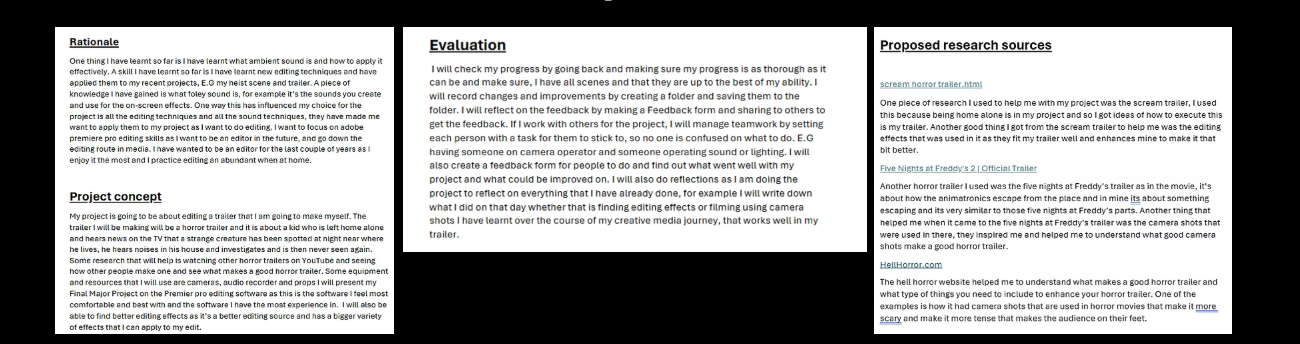
The proposal outlines the core idea for the project, including the concept, target audience, and overall creative direction. It acts as the starting point that guides the rest of the planning and production process.
Storyboard
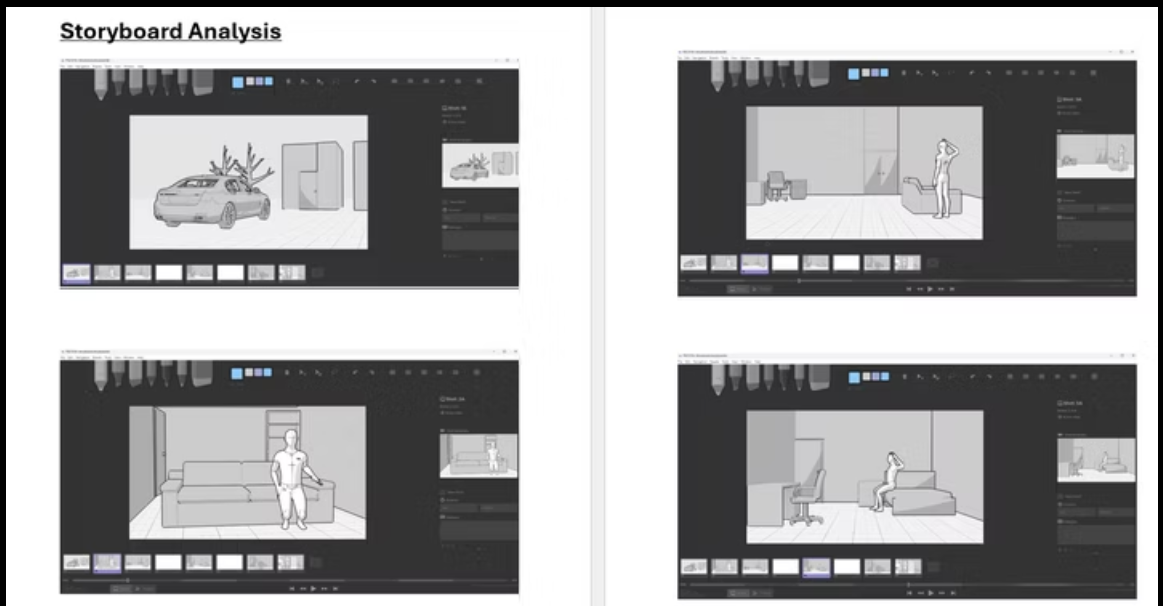
The storyboard visualises each key moment before filming. It helps plan shot flow, pacing, and transitions between scenes.
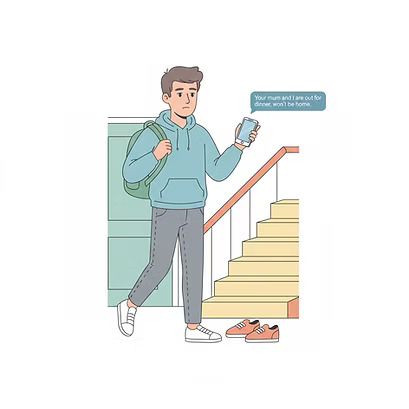
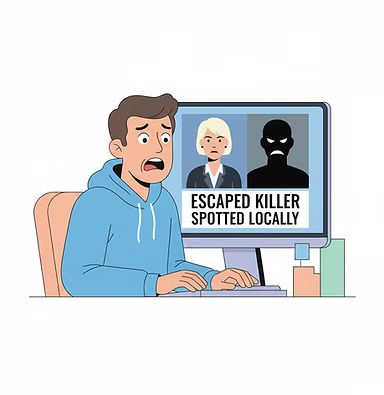
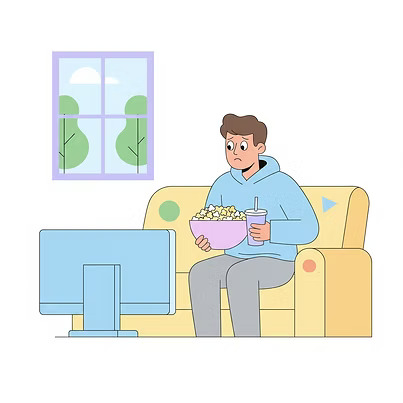
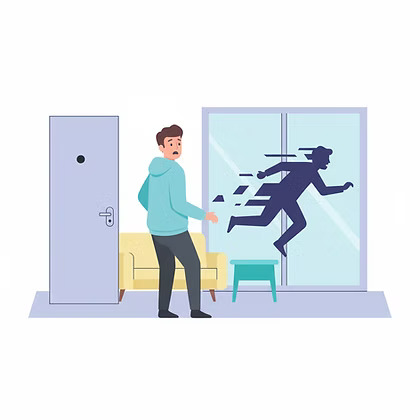
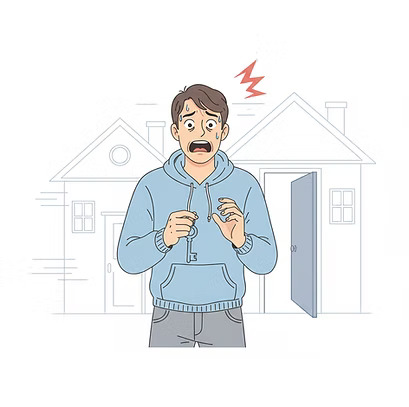
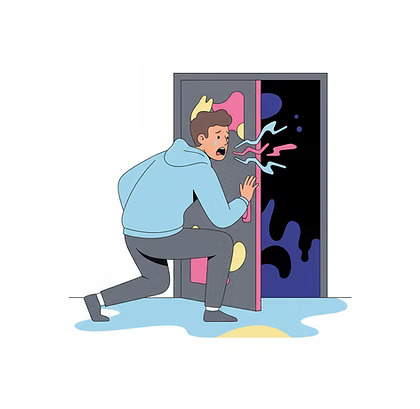
After going through various attempts and improvements, this is the final storyboard version used for the project.
Reflection Journal
This journal records my Final Major Project progress from research and pre-production through to filming and project completion.
Research: Inspiration And Ideas
One key piece of research that helped shape my film idea was the Dybbuk Box story. It gave me inspiration for a supernatural horror direction and helped me build an effective "something bad is about to happen" concept for a home-alone character.
Another major influence was the short horror film "Other Side of the Box". The note concept inspired my own adaptation, where I used a shorter and direct message: "I am sorry."
Storyboard And Script Development
During research I learned how to build a storyboard using Storyboarder. This was new to me, and I used the available assets to plan each scene more clearly.
I also improved my script writing compared to last year. Draft 1 was more detailed than previous work, and later I completed Draft 2 and Draft 3 after refining the story. These script drafts improved structure, detail, and layout.
Horror Trailer Research
I created research on what makes a good horror trailer, including camera shots, lighting, and examples from existing films. This gave me a clearer understanding of how horror techniques create mood and tension.
I also completed sound research, reviewing how films use suspense, uneasy soundtracks, and impactful effects. This helped me choose stronger audio direction for my own trailer.
Pre-Production Work Completed
I completed all key pre-production documents: shot list, risk assessment, production schedule, treatment, location recce, proposal, and storyboard. Each one supported planning, safety, and production quality.
I also kept my website updated daily with each completed task and reflection. By the end of pre-production, I felt prepared and ready to begin filming.
Filming Log
13/04/26: I began filming and completed the first five scenes. A weather continuity issue appeared, so I re-filmed scenes in consistent sunny conditions. This taught me how important weather planning is for continuity.
14/04/26: I filmed more scenes and stayed on track. I had to re-film three shots, but this was only a minor setback.
15/04/26: I reached around 75% filming completion, finished daytime shots, and started night scenes. No re-shoots were needed that day, which helped me move ahead of schedule.
Final Reflection
Overall, this project shows clear development in my planning, editing, script writing, and production control. Compared to last year, my workflow is more structured and my pre- production documents are stronger.
Completing all drafts and planning stages before filming helped me work with more confidence and created a better foundation for the final trailer outcome.